Composing an Agent Eval Harness Around Simulated API Backends That Scale Horizontally
Seeded, session-isolated simulators let parallel agent evals score reproducibly.
Tobias Wrenner
Section
14 stories in Agent Eval Benchmarks.
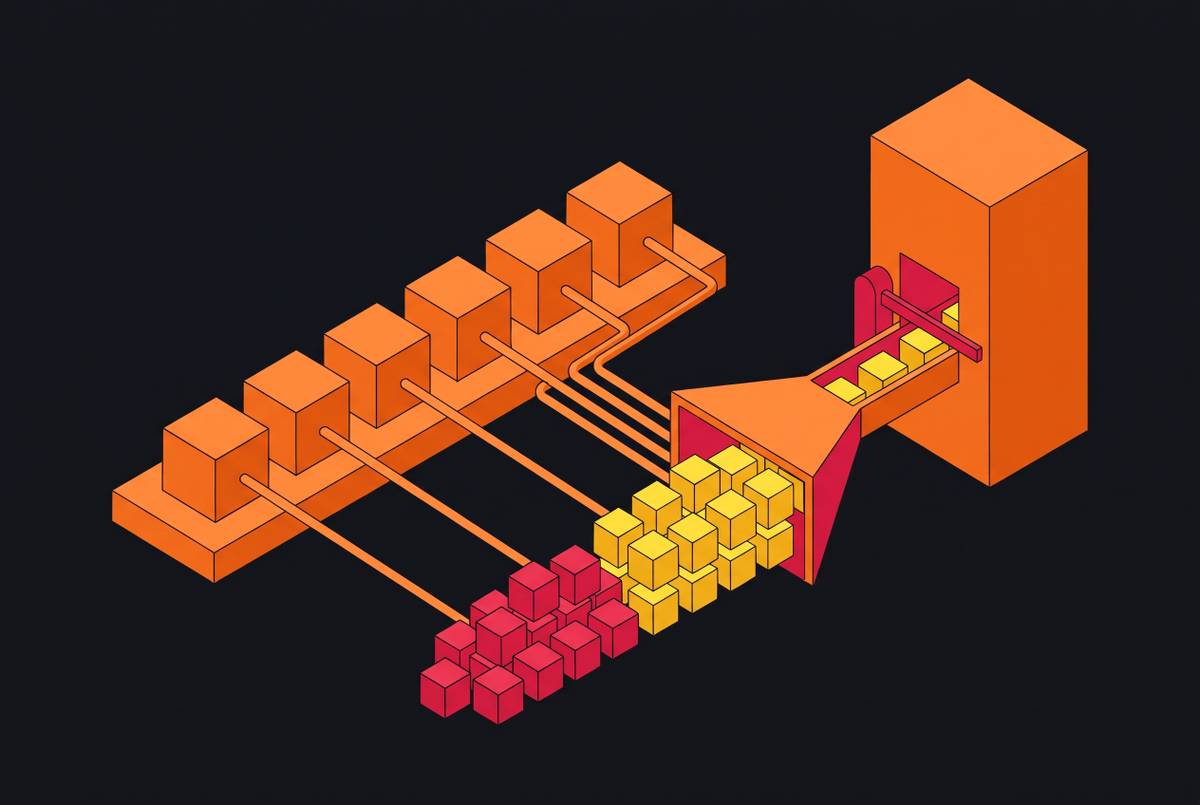
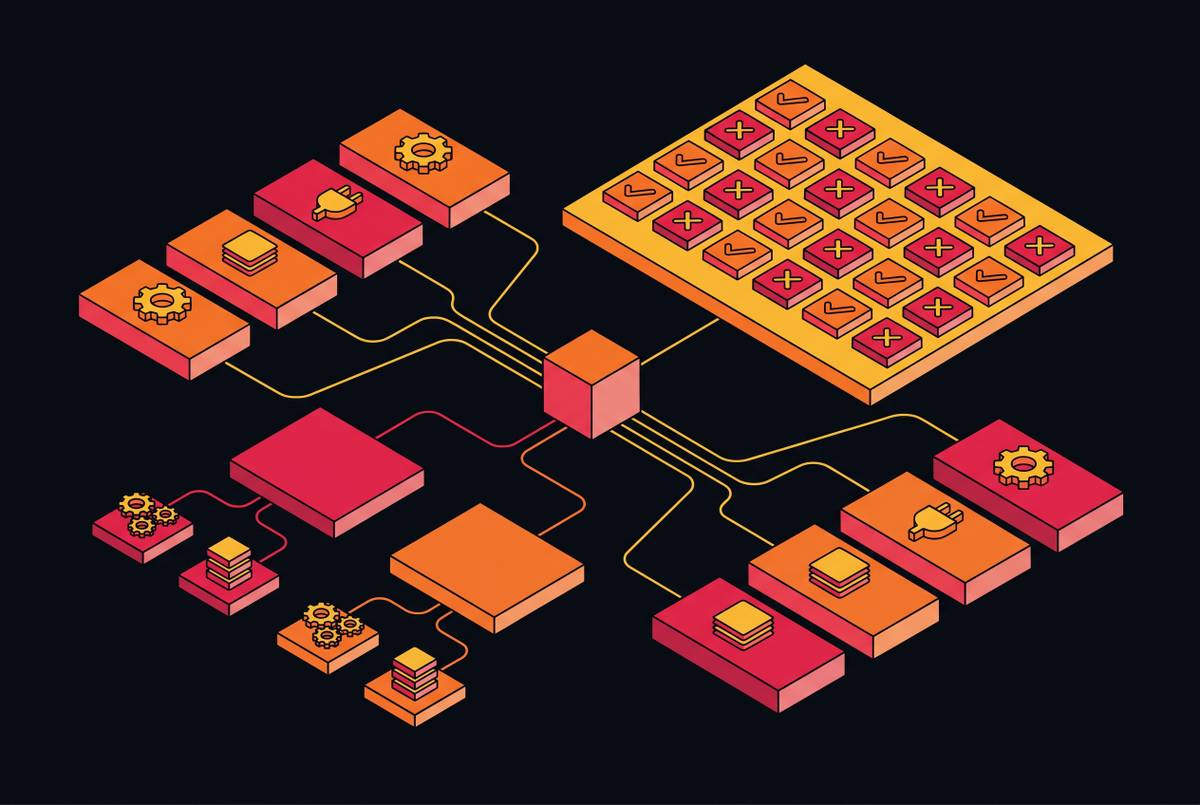
Seeded, session-isolated simulators let parallel agent evals score reproducibly.
Shared rate limits, state, and costs cap how far live-API evals scale.
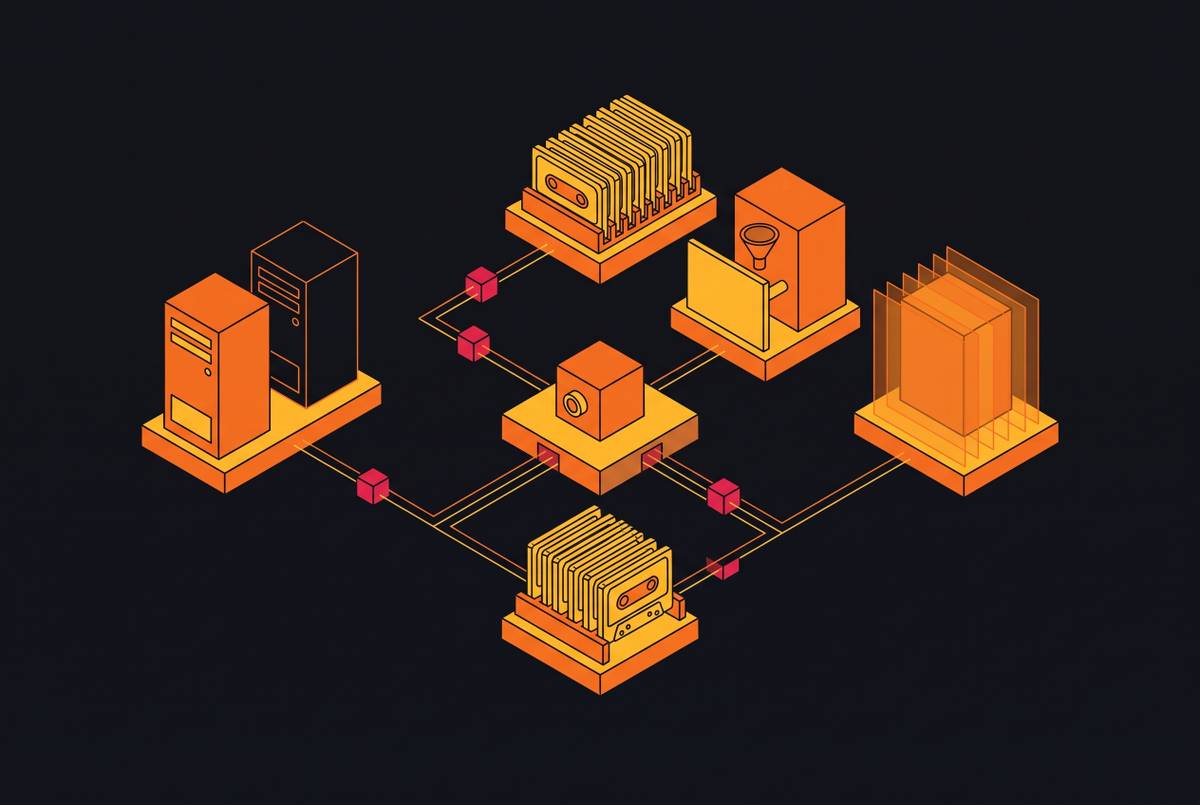
A guide to choosing between four mocking layers for agent evals.
Benchmark stubs must keep state, data, and drift in check.
Valid schemas hide behavioral failures that only stateful mocks can catch.
Agent benchmarks need simulations that remember earlier calls.
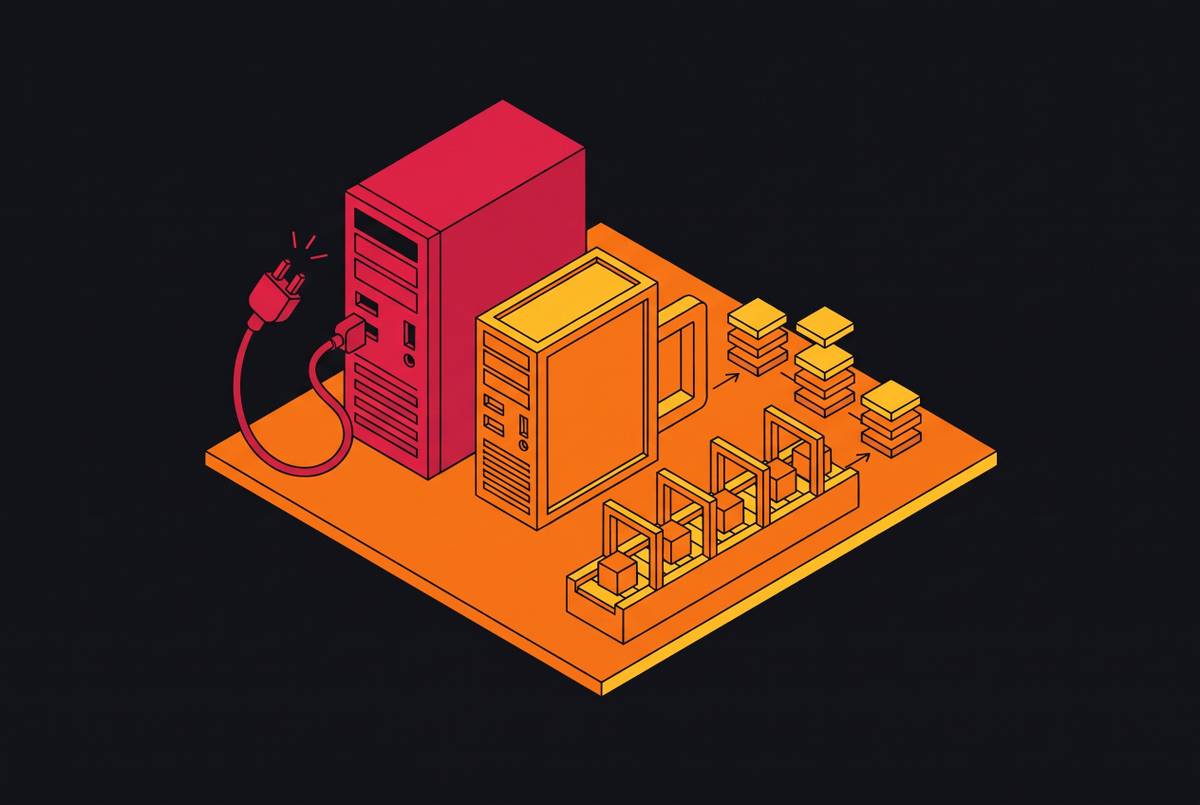
Stateful simulators, checked against live APIs, make agent scores repeatable.
Matching human and agent conditions in a stateful simulator yields baselines you can trust.
Fresh data, sandboxed APIs, and hidden test framing keep scores honest.
Benchmark scores depend on three environment design choices.
Recycled training fixtures make agent evals measure memory, not tool-use skill.
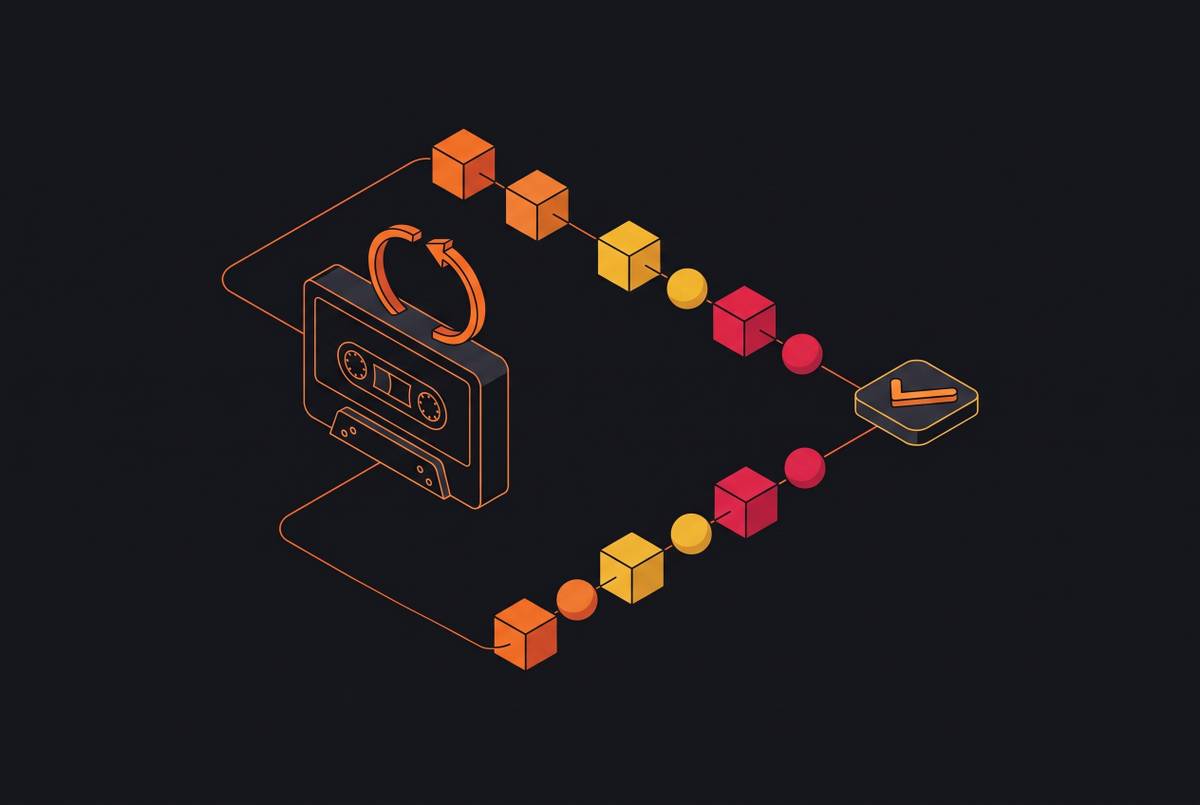
Record-and-replay turns an unreproducible agent failure into a regression test.
Scoring agents on the state they leave behind catches harm that final-answer checks miss.
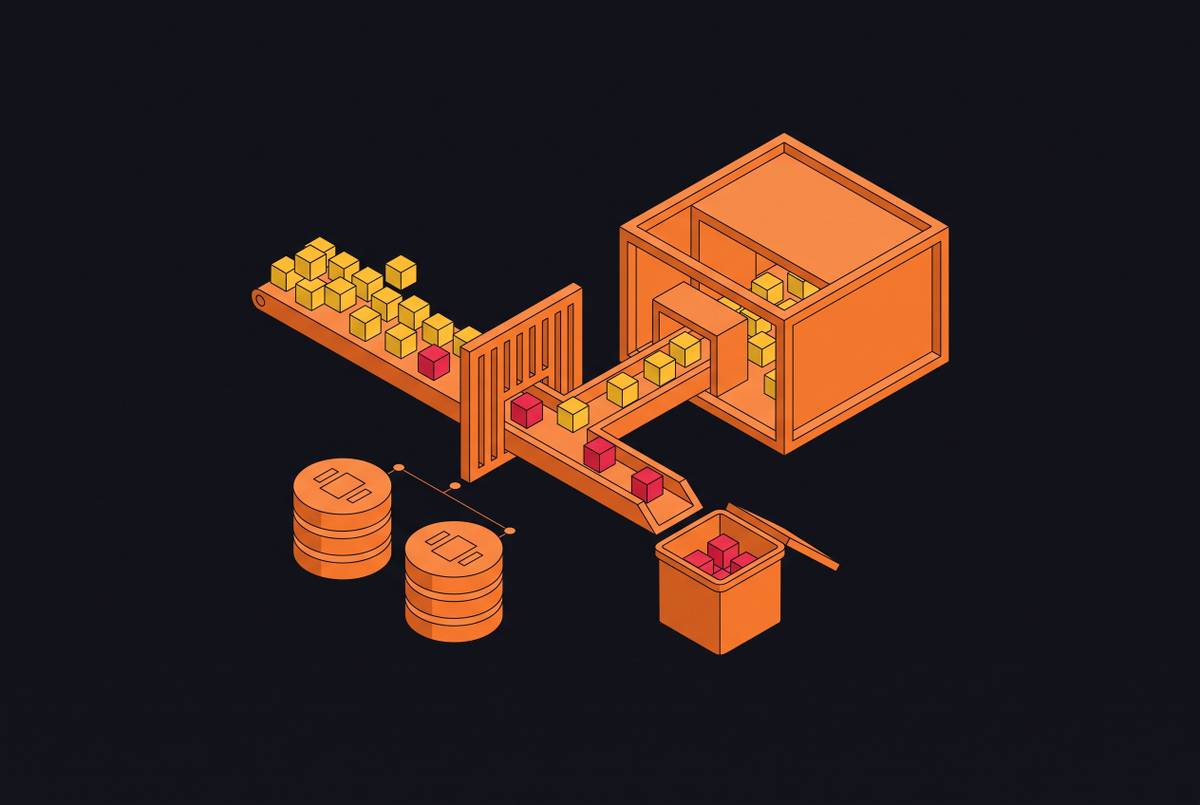
Stateless mocks and syntax checks miss the failures that matter.